The Raleigh Stormwater Department developed a video contest in 2014 that engaged high school students in creating public service announcements.
In 2017, middle school students were added, and more art forms were encouraged. Today the Capture It Stormwater Art Contest means capturing stormwater runoff while capturing creativity, says Dori Rathmell, community relations analyst and manager of the competition.
Raleigh, North Carolina, (population 500,000) has a strong environmental focus. The city involves residents and organizations as part of a Sustainable Raleigh strategy. The city is listed among the nation’s 25 fastest-growing cities.
Rules of engagement
The contest kicks off in November, and applications and submissions are due by the end of February. Videos must be one minute long, and entries can include drawings, sculptures, skits, cartoons or slide deck presentations.
The competition is open to private, public, charter and homeschooled Raleigh students in grades 8-12, who create artwork and are designed in bringing awareness of stormwater runoff issues to the public. Submissions are judged on creativity and messaging.
The contest is promoted through classroom visits, the department’s social media and other digital outreach including e-newsletters and email lists. Rathmell talks to classes about runoff and how pollution affects the creatures in the water and the watershed. She hands out flyers on the contest and answers questions.
As part of outreach, Raleigh Stormwater provides classroom visits, information about green stormwater infrastructure (constructed wetlands, rain gardens, cisterns and more), digital tools such as StoryMaps, community science programs and volunteer opportunities.
Picking the best
Ten staff members judge the entries; different people judge each year. There are usually 50 to 60; the 2025 contest drew 67. The judges individually view the entries online assign each one a score from 1 to 5.
Total scores are tallied, and the top five are sent to the Stormwater Management Advisory Commission, a citizen advisory board whose members select one winning video and one winning piece of art.
Each winner receives a $500 check; students who collaborate on a project split the prize money. Rathmell observes, “These teenagers and young adults are engaged and ready to take on the environmental awareness of the world. They want to help protect our resources for today and for future generations.”
Celebrating the winners
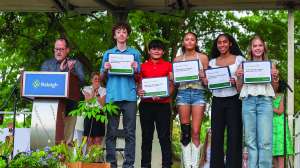
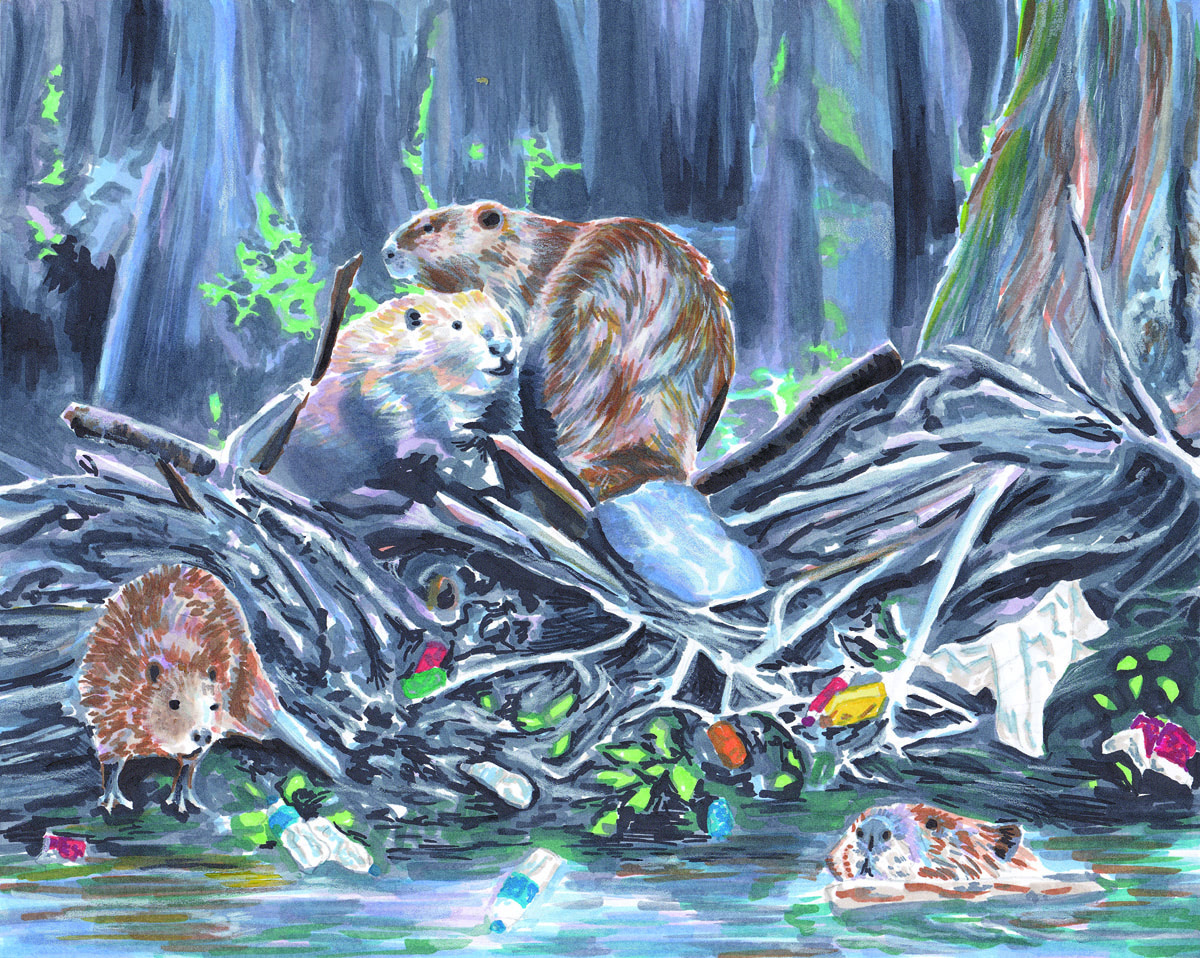
The winning entries are recognised at the Raleigh Environmental Awards event, held on Earth Day at Dorothea Dix Park, Raleigh’s largest urban park with 308 acres and a sunflower field. The park hosts free classes and cultural and community events. Winners receive certificates, and their artworks are pictured on stickers distributed at other events.
In addition, all entries are displayed at the Pullen Park Art Center throughout May. Teachers, students and parents can see the full extent of the students’ creativity.
Rathmell appreciates the time and detail the students put into their submissions. One recurring theme is about people making big behavioral changes and being more environmentally conscious. Another theme is about protecting resources.