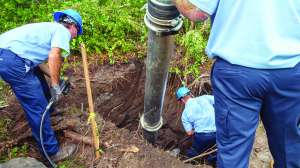
In the water and wastewater industry, workers face many hazards regularly. For those literally in the trenches, excavating has its own set of hazards like cave-ins, equipment rollovers, traffic control and falls into the excavation, to name a few. One hazard that can sometimes get overlooked is the presence of gas lines.
First and foremost, calling 811 before you dig is a must. Once the gas line is properly marked, the workers digging should respect the tolerance zones. Those zones differ from state to state so it’s important to know what they are in your state. The tolerance zone provides a buffer to help prevent damage to the underground gas line. Hand dig or vacuum excavate in the tolerance zone to determine the exact location and depth of the marked gas line.
The tolerance zone also protects the worker, so make sure to respect it. Failure to do so risks damage to the gas line, which could lead to injury or even death if damaged.
What if you hit a gas line? First, understand any damage to a gas line can be extremely hazardous. Trying to repair it yourself is a bad idea. Also, don’t attempt to bury it and leave. This can lead to criminal charges in some states.
Basic guidelines
There are some basic guidelines to follow if a gas line is struck or damaged.
Immediately warn others and leave the area. Create a safe zone of at least 100 feet away from the excavation.
Since the gas is highly flammable, do not allow anyone to smoke or use anything electrical in the area. Even using a phone could cause a spark and ignite leaking gas.
Turn off all power equipment. This includes gas, electrical and battery-operated equipment.
Do not attempt to repair the line or stop the flow of gas. Leave this to the experts who know what they are doing. Also, leave the excavation open, do not attempt to bury the gas line.
When you have reached a safe area, report the incident to authorities. Call 911 first as this is required by Federal Code. Then call the energy company that services that area. Even if there isn’t evidence of a leak, or you only suspect that there is a leak, contact the energy company.
Report the incident to your supervisor and wait for instructions.
Stay far away and upwind from the area until safety officials say it is safe to return.
Warning signs
There are warning signs of a gas leak even if it wasn’t digging that caused the leak. It’s important to know what they are:
- A distinctive, rotten egg odor, which many gas companies add to assist in detecting a leak. However, don’t rely on this alone as the odor may fade or you may not be able to smell it.
- Continuous bubbling in the water.
- A hissing, whistling or roaring sound.
- Dead or dying vegetation over or near a pipeline.
- Dirt blowing into the air from a hole in the ground.
- Frozen ground even in warm weather.
Stay safe
Remember, gas leaks or ruptures can cause explosions, fires and even toxic exposures. It’s important to know how to handle these hazardous situations should they occur. Preventing them is your best option so always follow safe procedures for excavating around gas lines, even if it means taking extra time to ensure you are digging safely.